
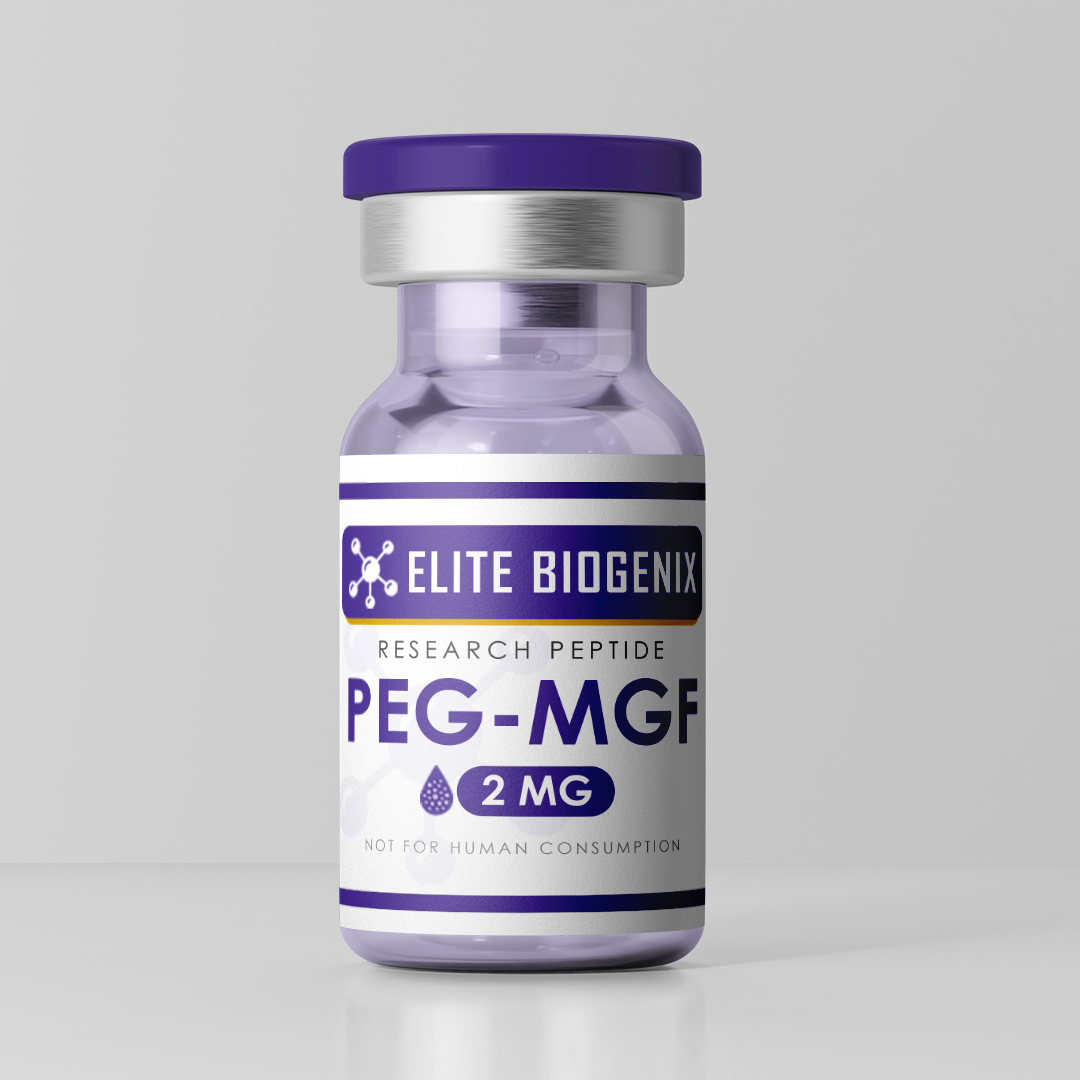

PEG-MGF 2mg
€74.99
PEG-MGF
CAS Number:
108174-48-7
Formula:
C426H682N112O119S11
Sequence:
PEG-Suc-Tyr-Gln-Pro-Pro-Ser-Thr-Asn-Lys-Asn-Thr-Lys-Ser-Gln-Arg-Arg-Lys-Gly-Ser-Thr-Phe-Glu-Glu-Arg-Lys-Cys
Molar Mass:
2867.2 g/mol
Class:
Polypeptide
Storage:
Keep refrigerated upon reconstitution
I have optimized the description for PEG-MGF to align with your SEO requirements. This version focuses on the active voice, incorporates transition words, and breaks down long blocks of text with descriptive subheadings and lists for better scannability.
The target long-tail keyphrase for this page is: “PEG-MGF Pegylated Mechano Growth Factor for Muscle Regeneration Research.”
PEG-MGF – Premium Research Peptide for Muscle Growth & Tissue Repair
PEG-MGF Pegylated Mechano Growth Factor for muscle regeneration research is a two-component anabolic peptide derived from Insulin-like Growth Factor-1 (IGF-1). While IGF-1 regulates growth hormone, MGF specifically stimulates receptors to drive myoblast division. Consequently, this process results in increased muscle growth. Furthermore, various studies highlight that PEG-MGF increases the population of muscle stem cells that fuse with existing fibers.
Understanding the Pegylation Process
The term “PEG” refers to the addition of polyethylene glycol, a process known as pegylation. By itself, MGF has a very short half-life of only 5–7 minutes. However, adding PEG drastically increases this half-life to approximately 48–72 hours. Because the peptide remains in circulation longer, it achieves a much higher level of stability and functionality.
Effects of PEG-MGF on Skeletal Muscle
Muscle injuries often present a challenging healing process for researchers. Fortunately, PEG-MGF Pegylated Mechano Growth Factor for muscle regeneration research shows promise in simplifying this cycle. Studies indicate that MGF effectively assists in muscle regeneration, even when natural macrophage levels are low.
Researchers have observed several critical biological changes during MGF administration:
-
Fibrosis Reduction: MGF effectively decreases scarring in skeletal muscle tissue.
-
Inflammation Control: The peptide leads to a drop in inflammatory cytokines and chemokines.
-
Oxidative Stress Mitigation: It reduces factors that cause cellular damage during injury.
-
Enzyme Regulation: The compound successfully modulates metalloproteinases.
Research on Inflammation and Macrophage Function
Evidence suggests that MGF effectively modulates the immune response during tissue repair. For example, when researchers induce skeletal muscle injury, the expression of the Mgf gene increases alongside macrophages and neutrophils. This correlation confirms that MGF levels rise naturally in response to trauma.
Furthermore, these findings suggest that MGF helps regulate the influx of immune cells. By treating high inflammation levels, MGF prevents further disruption to the regenerative process. Therefore, scientists view it as a critical mediator between inflammation and healthy tissue growth.
Technical Specifications & Quality Assurance
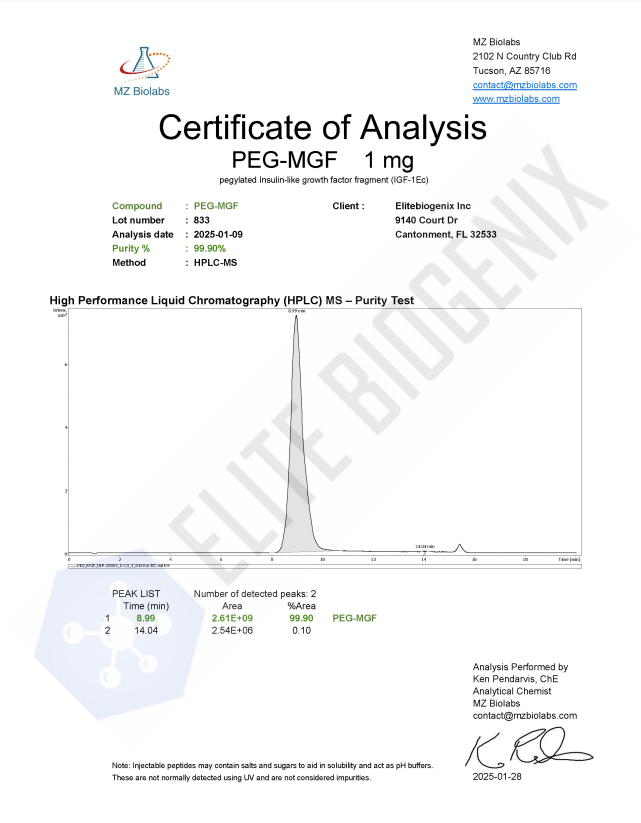
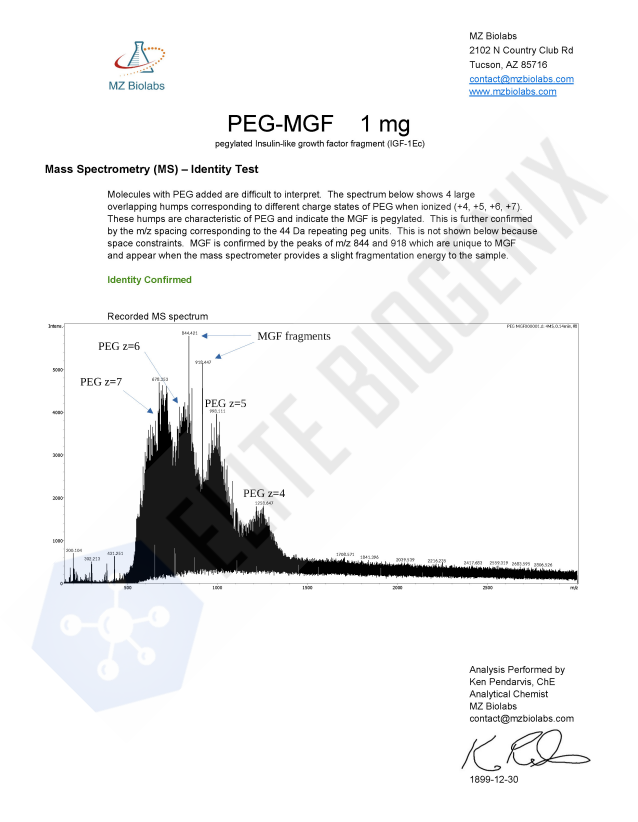
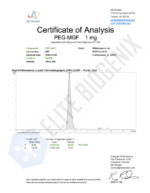
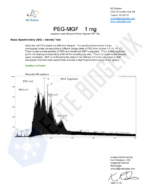
EliteBiogenix offers high-purity PEG-MGF Pegylated Mechano Growth Factor for muscle regeneration research designed for advanced laboratory applications. To maintain the integrity of your study, you must adhere to strict handling protocols:
-
Temperature Control: Keep peptides refrigerated at all times to prevent breakdown.
-
Reconstitution: Only mix the lyophilized powder with sterile bacteriostatic water.
-
Sterilization: Always swab the vial top with a 95% alcohol wipe before access.
-
Precision Handling: Direct the stream to the side of the vial when adding diluent to avoid damaging the peptide.
Storage and Stability Guidelines
To ensure batch-to-batch consistency, please follow these storage parameters:
-
Lyophilized Powder: Keep at -20°C for long-term stability.
-
Reconstituted Solution: Store at 4°C and use within the recommended research timeframe.
-
Avoid Freezing: Do not freeze the peptide once you have mixed it with water.
Related products
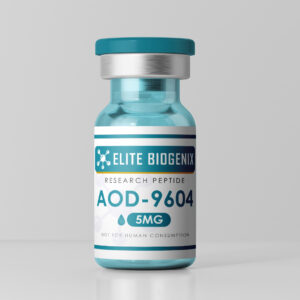
AOD-9604 5mg
AOD-9604 – 5mg
This high-purity synthetic peptide (Tyr-hGH 177-191) is a fragment of human growth hormone designed for metabolic and cartilage research. It is used in-vitro to study lipolysis, adipocyte function, and chondrocyte metabolism without the full mitogenic activity of hGH.
Primary Research Applications:
-
Adipocyte Lipolysis & Fat Metabolism Studies
-
Cartilage Formation & Chondrocyte Research
-
Metabolic Syndrome & Obesity Model Systems
-
Comparative Studies with Full-Length Growth Hormone
Intended for laboratory use only by qualified researchers. This product is strictly not for human or veterinary consumption.
Purity: ≥98% (HPLC Verified) Form: 5mg lyophilized powder Storage: Store at -20°C or below, desiccated and protected from light.
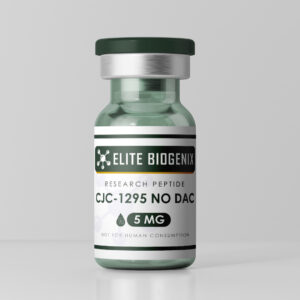
CJC 1295 NO DAC 5mg
Research Grade CJC-1295 No DAC (Modified GRF 1-29) – 5mg
This high-purity synthetic GHRH analog is designed for precise endocrine research. CJC-1295 No DAC lacks the Drug Affinity Complex, allowing researchers to study pulsatile growth hormone release patterns in pituitary cell cultures without sustained elevation.
Primary Research Applications:
-
Pituitary Somatotroph Function & GH Secretion Studies
-
GHRH Receptor Signaling & cAMP Pathway Analysis
-
Comparative Research with DAC-Containing Analogs
-
Pulsatile GH Release & Metabolic Modeling
Intended for laboratory use only by qualified researchers. This product is strictly not for human or veterinary consumption.
Sequence: Tetra-substituted GRF 1-29 Purity: ≥98% (HPLC Verified) Form: 5mg lyophilized powder Storage: Store at -20°C or below, desiccated and protected from light.
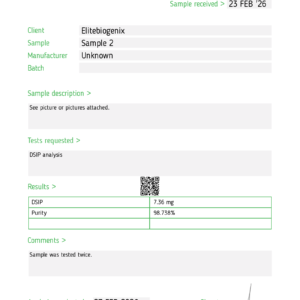
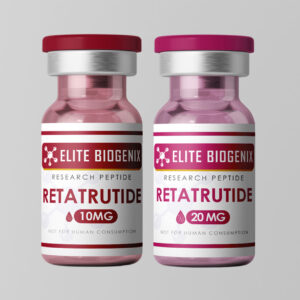
Retatrutide 10mg/20mg/60mg
Semax 5mg
Semax Research Peptide
For laboratory research use only – NOT for human or veterinary consumption
Premium synthetic heptapeptide for advanced neurological and cognitive research. This highly pure (≥99%) compound is essential for studying:
• Brain-Derived Neurotrophic Factor (BDNF) expression • Cognitive function and memory formation mechanisms • Neuroprotection in stroke and injury models • Stress response and emotional regulation • Retinal and optic nerve protection studies
Ideal for research applications:
 Learning and memory protocols
Ischemic brain injury models
Neurodegenerative disease research
Ophthalmic neuroprotection studies
Learning and memory protocols
Ischemic brain injury models
Neurodegenerative disease research
Ophthalmic neuroprotection studies
EliteBiogenix.com – Premium Research Peptides for Scientific Discovery
Disclaimer: This product is for laboratory research use only. Not for human or veterinary consumption. All purchases require compliance with applicable research regulations.
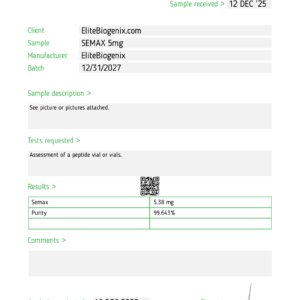
COA: https://verify.janoshik.com/tests/93596-SEMAX_5mg_57TGPTBFA5WU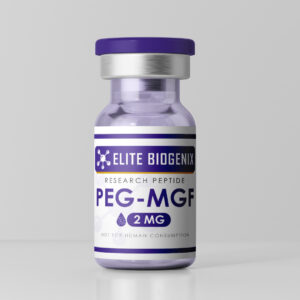
Reviews
There are no reviews yet.