
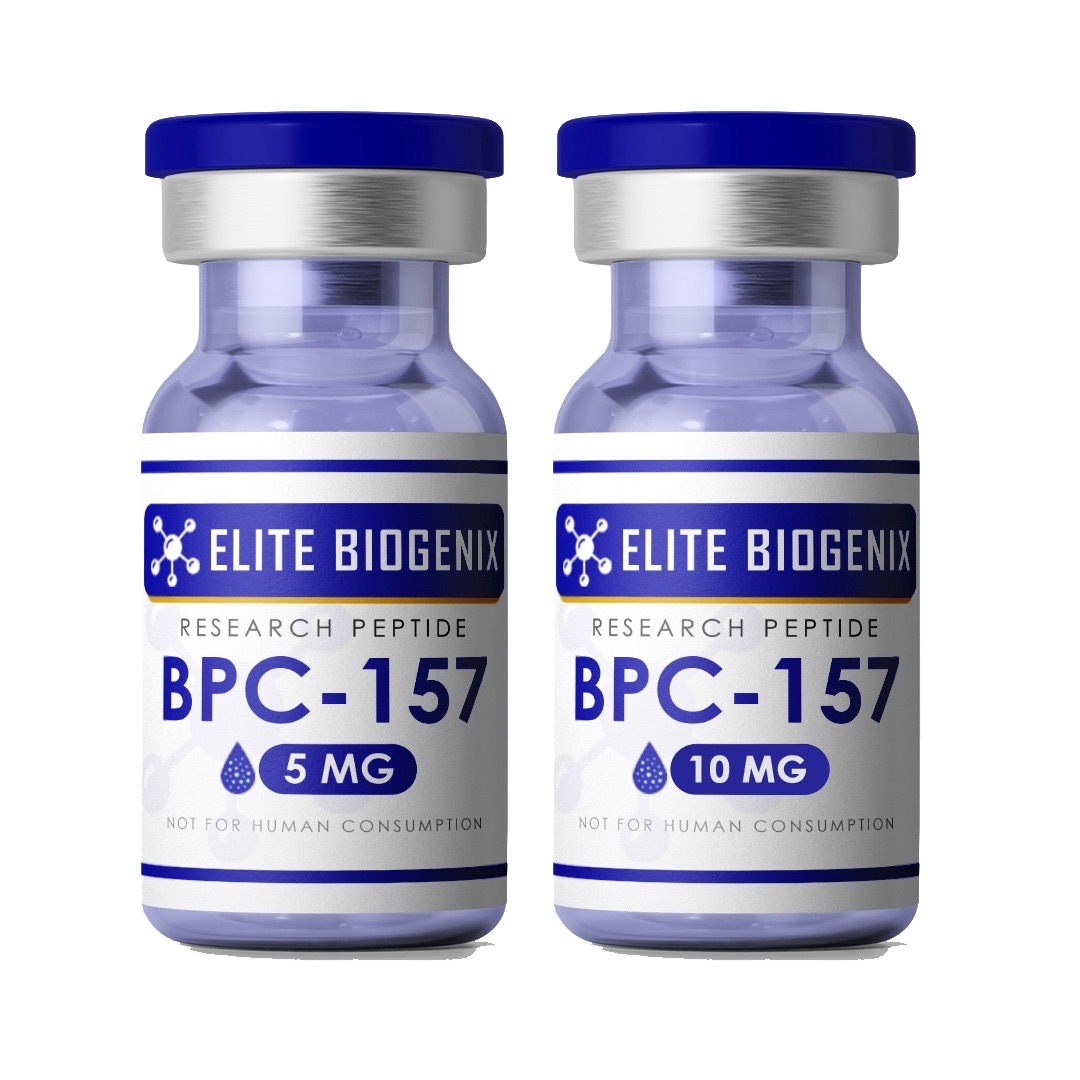
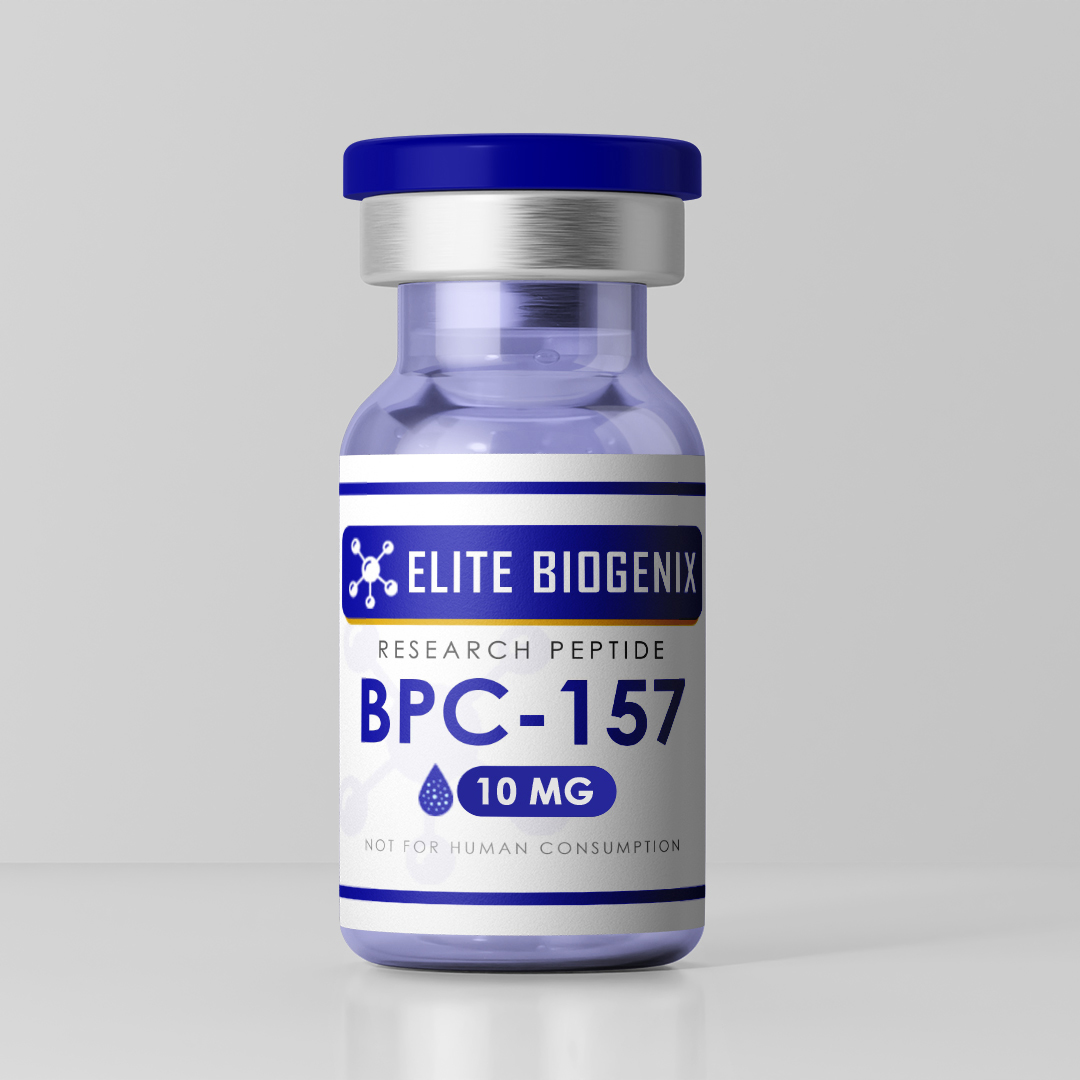
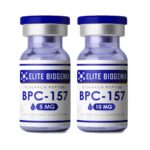
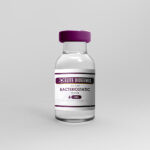
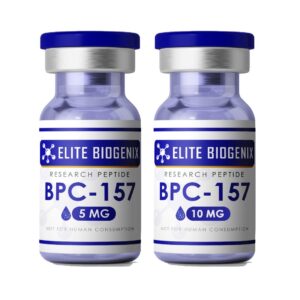
BPC-157 5mg/10mg
Price range: €54.99 through €104.99
BPC-157 from EliteBiogenix
CAS Number:
137525-51-0
Formula:
C
62
H
98
N
16
O
22
Sequence:
Gly-Glu-Pro-Pro-Pro-Gly-Lys-Pro-Ala-Asp-Asp-Ala-Gly-Leu-Val
Molar Mass:
1,419.5 g/mol
Class:
Polypeptide
Storage:
Keep refrigerated upon reconstitution
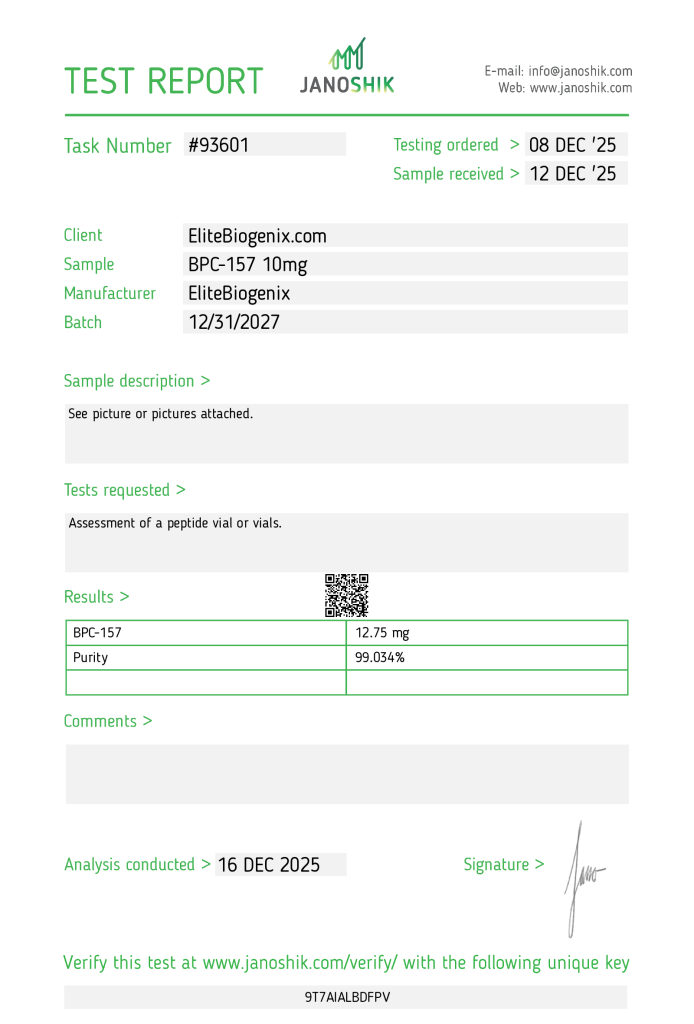
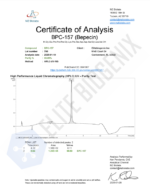
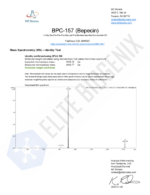
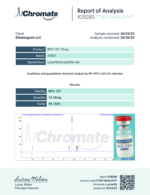
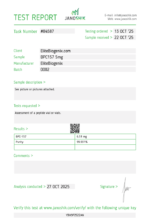
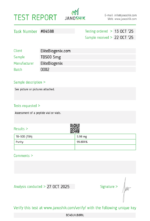
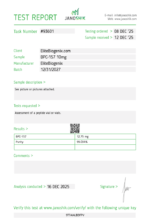
COA 10mg: https://verify.janoshik.com/tests/93601-BPC157_10mg_9T7AIALBDFPV
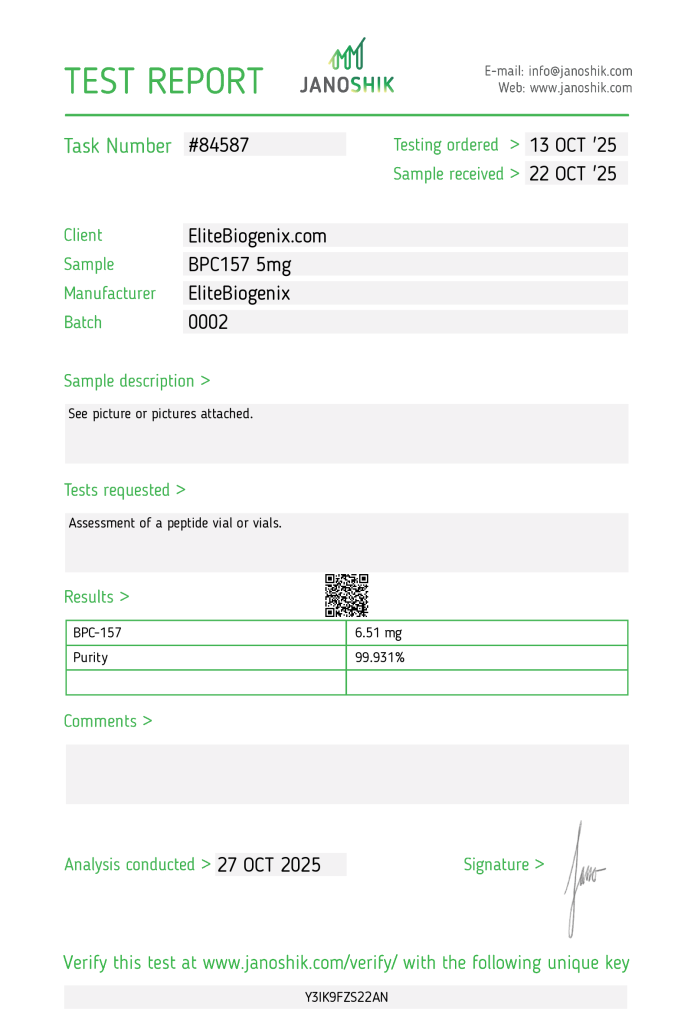
COA 5mg: https://verify.janoshik.com/tests/84587-BPC157_5mg_Y3IK9FZS22AN
| Select MG | 5 MG, 10 MG |
|---|
Biological Foundations of BPC-157 and Tissue Repair
Researchers utilize the BPC-157 research peptide to investigate accelerated healing across a variety of soft tissues, including tendons, ligaments, and muscle fibers. This pentadecapeptide, originally isolated from human gastric juice, serves as a potent signaling molecule within the regenerative cascade. Specifically, its primary mechanism involves the modulation of growth factors and the promotion of cellular migration to injury sites. Consequently, scientists can explore how this compound stabilizes the structural integrity of tissues undergoing metabolic or mechanical stress.
Angiogenesis and Vascular Growth Stimulation
The application of BPC-157 provides a robust framework for studying the formation of new blood vessels, a process known as angiogenesis. Notably, the peptide triggers the upregulation of Vascular Endothelial Growth Factor (VEGF) receptors. Similarly, it facilitates the creation of a denser capillary network, which is essential for delivering nutrients to hypoxic research models. Therefore, the compound remains a critical tool for investigating recovery in poorly vascularized areas, such as the “white zone” of tendons or damaged cartilage.
Gastrointestinal Protection and Barrier Integrity
Moreover, BPC-157 plays a significant role in research concerning gastrointestinal (GI) health and mucosal barrier stability. Specifically, preclinical studies evaluate the peptide’s ability to counteract the damage caused by NSAIDs or other inflammatory insults. Thus, researchers can analyze the stabilization of the gut-brain axis and the prevention of ulcerations in various digestive models. Consequently, the compound provides a multi-target approach to understanding systemic anti-inflammatory responses and organoprotective effects.
Experimental Versatility and Synergistic Research
In addition, the versatility of BPC-157 allows it to be used in synergistic studies alongside other regenerative agents like TB-500 or GHK-Cu. Specifically, researchers often design protocols to measure the combined impact of these peptides on extracellular matrix remodeling and gene expression. Therefore, the 5mg and 10mg formats offer flexibility for both small-scale in-vitro assays and larger longitudinal animal studies. Similarly, its high stability in various media ensures that experimental results remain consistent across different laboratory environments.
EliteBiogenix Quality and Storage Standards
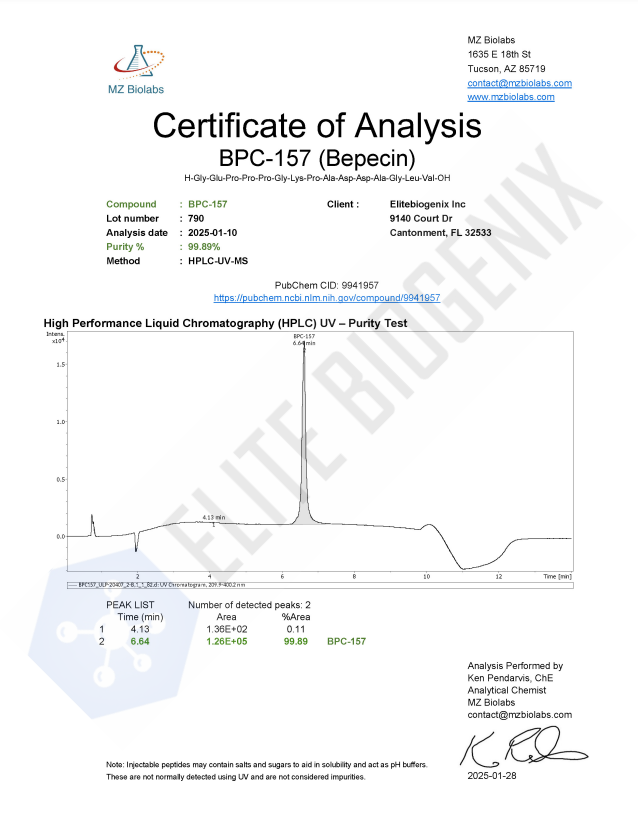
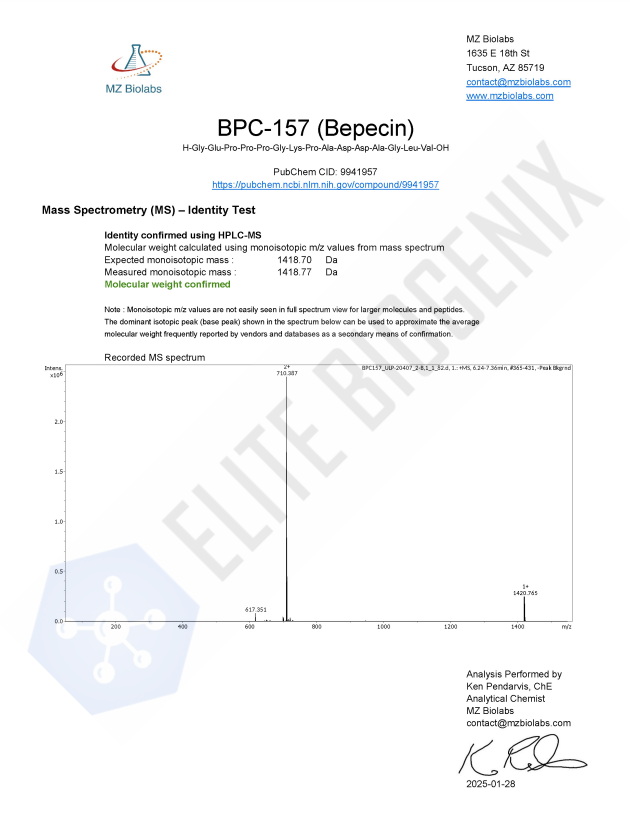
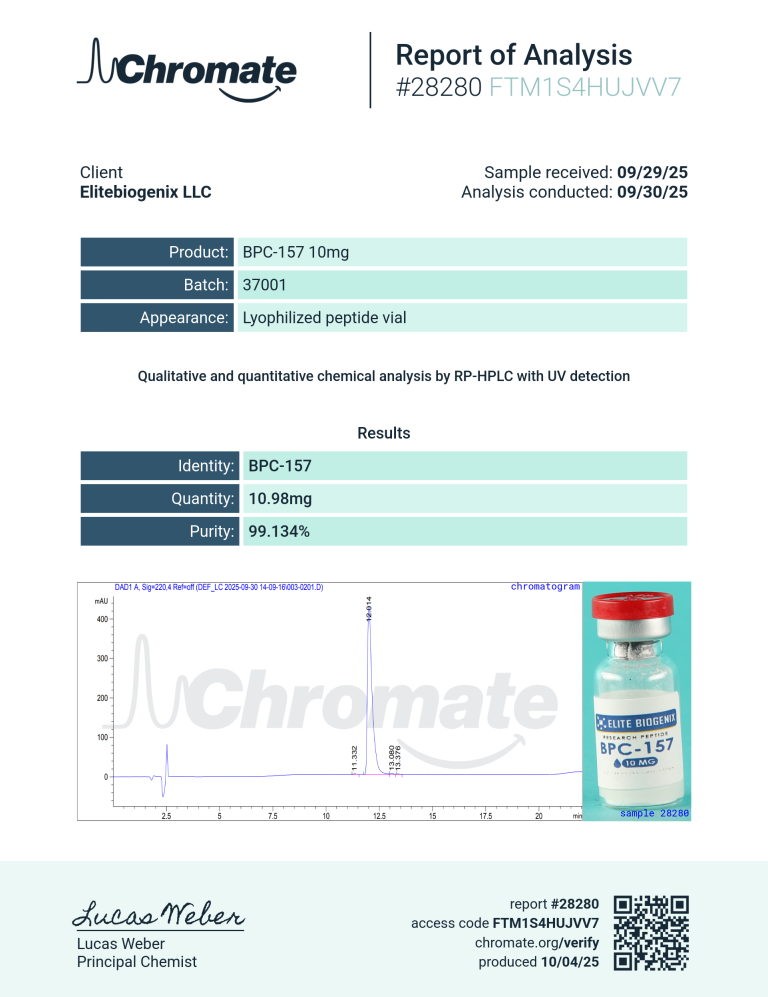
Finally, our laboratory ensures that every batch of BPC-157 reaches a purity level of $\ge$ 98% through advanced HPLC and mass spectrometry analysis. Notably, this high-purity standard is essential for ensuring that research data is accurate and free from the interference of chemical contaminants.
-
Purity: $\ge$ 98% HPLC verified.
-
Molecular Weight: 1419.5 Da.
-
Storage: Store lyophilized vials at -20°C for long-term stability; protect from light.
-
Reconstitution: Best results are achieved using sterile bacteriostatic water for multi-use research protocols.
-
Compliance: Strictly for in-vitro laboratory research; not for human or veterinary use.
Related products
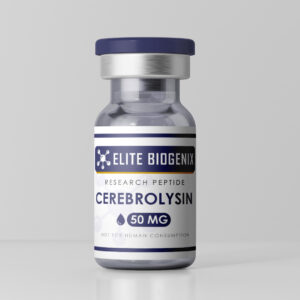
Cerebrolysin 50mg
Cerebrolysin – 50mg (Equivalent Peptide Fraction)
This complex neurotrophic peptide mixture is derived from purified porcine brain proteins and standardized for laboratory use. It is designed for advanced in-vitro research into neuroprotection, synaptic plasticity, and neural repair mechanisms.
Primary Research Applications:
-
Neuroprotection against excitotoxicity & oxidative stress
-
Amyloid-beta toxicity & Alzheimer’s disease models
-
Synaptogenesis & neuronal differentiation studies
-
Traumatic brain injury (TBI) & stroke model research
Contains low-molecular-weight peptides and neurotrophic factors. Intended for qualified researchers in controlled laboratory settings only. This product is strictly not for human or veterinary consumption.
Form: Lyophilized powder / sterile solution Storage: Store at 2-8°C or -20°C
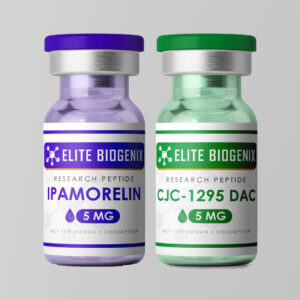
Growth Hormone Research Stack
KPV 10mg
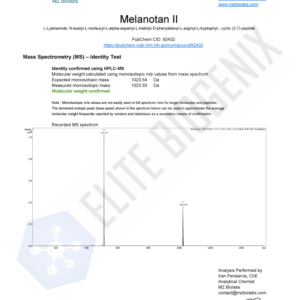
NAD+ 250mg
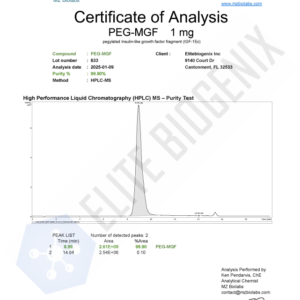
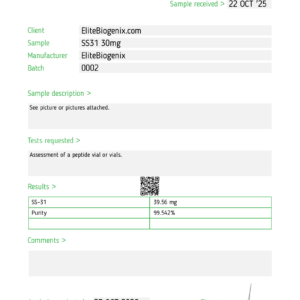
SS-31 30mg
SS-31 (Elamipretide) – 30mg
This high-purity, mitochondria-targeting peptide is designed for advanced cellular research. SS-31 selectively localizes to the inner mitochondrial membrane to protect cristae structure and reduce oxidative damage at its source.
Primary Research Applications:
-
Mitochondrial Function & Bioenergetics
-
Ischemia-Reperfusion Injury Models
-
Oxidative Stress & Apoptosis Studies
-
Age-Related Cellular Decline Research
This 30mg vial of lyophilized powder is intended for qualified researchers conducting in-vitro studies only. Not for human or veterinary use.
Sequence: D-Arg-Dmt-Lys-Phe-NH₂ Purity: ≥98% (HPLC Verified) Storage: Store at -20°C or below
Reviews
There are no reviews yet.